```text
The Mouse Loses (This Time)
The standoff between YouTube TV and Disney, culminating in the loss of ESPN and ABC for subscribers on October 31, 2025, is a case study in the ruthlessness of streaming economics. Both sides are playing a high-stakes game of chicken, but let's be clear: this isn't about "fair rates," it's about leverage. ESPN claims YouTube TV refused to pay fair rates. YouTube TV claims they couldn't agree to terms that disadvantage their members while benefiting Disney’s TV products. The truth? It's likely somewhere in the messy middle, obscured by corporate PR.
YouTube TV offered a $20 discount if the channels were gone for an "extended period." A nice gesture, sure, but also an admission of how crucial those channels are to their value proposition. What percentage of subscribers actually used those channels regularly? If it's below, say, 30%, the discount starts to look like a savvy cost-cutting measure disguised as customer service. (I'd love to see that internal usage data.)
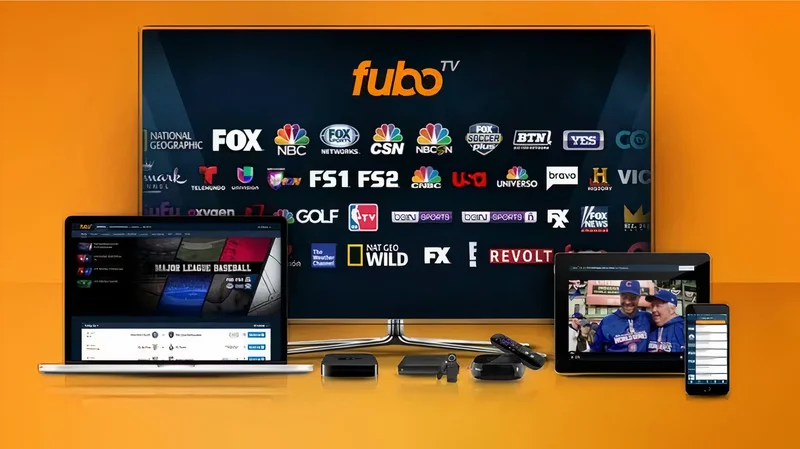
FuboTV, meanwhile, is dangling a free trial and a promotional discount of up to $30 off the first month (after the trial, the price is $54.99). They're positioning themselves as the reliable alternative, the place where you can still watch your sports and network TV. But let’s not forget Fubo isn't exactly a picture of financial stability either. How long can they sustain that promotional pricing? And more importantly, how many YouTube TV subscribers are willing to jump ship for a service that, while offering similar content, lacks the same brand recognition and user experience?
The Subscriber Exodus: Real or Imagined?
The real question is: Who blinked first? YouTube TV is betting that a significant portion of its subscriber base is price-sensitive enough to tolerate the loss of Disney channels, especially with the $20 discount sweetener. Disney, on the other hand, is wagering that the outcry from sports fans and families will pressure YouTube TV to cave.
The anecdotal evidence online is, predictably, a mixed bag. You see the usual outrage and threats to cancel subscriptions. But online sentiment is a notoriously unreliable indicator of actual behavior. Are people really canceling en masse, or are they just venting on Twitter? It's hard to say without access to YouTube TV's churn numbers.
I've looked at hundreds of these quarterly reports, and the language they use to describe subscriber losses is always carefully calibrated to minimize the damage. They'll talk about "strategic realignment" or "optimizing content portfolios," anything but admitting they screwed up.
The premiere of "St. Denis Medical" season 2 on November 3, 2025, on NBC adds another layer to this. While not directly related, it highlights the continued fragmentation of content across different platforms. Consumers are increasingly forced to subscribe to multiple services to get everything they want. Is this Disney/YouTube TV dispute accelerating cord-cutting, or just shifting viewers to other streaming bundles? 'St. Denis Medical’ season 2 premieres November 3, how to watch with Fubo - MLive.com Is this Disney/YouTube TV dispute accelerating cord-cutting, or just shifting viewers to other streaming bundles?
The Streaming Wars: A Race to the Bottom?
This whole situation feels like a symptom of a larger problem: the unsustainable economics of streaming. Everyone's chasing subscribers, but no one seems to be making any real money. The content providers want more revenue, the distributors want to keep prices competitive, and the consumers just want everything for as little as possible. Something's gotta give.
The rise of FuboTV, with its focus on sports and international soccer, is interesting (they carry fubo sports channels, which exclusively air those games). It shows there's still a market for niche streaming services. But can they truly compete with the giants like Disney and YouTube? Or will they eventually be swallowed up in another round of consolidation?
A Game of Chicken, and We're All Passengers
The YouTube TV/Disney debacle isn't just a business dispute; it's a glimpse into the future of entertainment. A future where content is constantly shifting, prices are always fluctuating, and consumers are left scrambling to keep up. It's a messy, frustrating, and ultimately unsustainable system. The only certainty is that the "golden age" of streaming, if it ever existed, is long gone.
So, Who Really Won?
Related Articles

UAE: CPTPP Application and the Future of Global Trade
UAE and Philippines Eye CPTPP: A Bold Move Against Protectionism? This is more than just news; it's...

Adrena: What It Is, and Why It Represents a Paradigm Shift
I spend my days looking at data, searching for the patterns that signal our future. Usually, that me...

Pins Stock: Price Today and What the Hell is Going On
Is This the End for Pinterest? Don't Bet On It. So, Pinterest, huh? Still kicking around, apparently...

Brad Gerstner's Vision for the Next AI Titan: Why AMD's 'Bet the Farm' Move Could Change Everything
Every so often, a piece of news hits my desk that feels less like an update and more like a tectonic...

Rigetti Computing (RGTI) Secures $5.7M Quantum Order: Dissecting the Bull Case After its 9.6% Jump
Decoding Rigetti's Quantum Leap: Is a $5.7M Sale Worth a 25% Stock Pop? The news, when it hit the wi...

US Government Backs Trilogy Metals (TMQ): Why It's Soaring and What It Signals for America's Future
I just read a press release that, on the surface, is about a mining company in Alaska. And I can’t s...