Porto's: The Data Behind Its "Best Destination" Claim
Porto's Crown: A Data Check on Europe's 'Best' and the Sustainability Mirage
Alright, let's cut through the confetti for a moment. Porto, Portugal's second city, just snagged the World Travel Awards title for Europe’s Best Tourist Destination for 2025. On the surface, it’s a win, plain and simple, a shiny badge for the city and a clear signal for a further tourism boom for Portugal. The official line? It’s a testament to Porto's "historic charm, modern vibrancy, and commitment to sustainable tourism practices." That's a lot of feel-good language, and while I appreciate a good narrative as much as the next person, my job is to look past the press release and see what the numbers—and the implications—really say.
The award itself, for 2025, means we're talking about a future projection, a market signal rather than a retrospective analysis of past performance. It's like an analyst's "Strong Buy" rating, not a quarterly earnings report. The national tourism body, Turismo de Portugal, is framing this as part of a "broader strategy to promote sustainable growth." Now, that phrase, "sustainable growth," is where my ears always perk up. It’s a bit of a chameleon in the corporate lexicon, often changing its colors to suit the immediate narrative. They're talking about preserving cultural heritage and supporting local communities, which sounds noble. But how do you quantify "cultural heritage preserved" or "local communities supported" against a projected surge in visitor numbers? That's the million-dollar question, isn't it?
The Metrics of 'Charm' and the Cost of 'Authenticity'
Porto's appeal is undeniable. Its compact, walkable urban structure, the UNESCO-listed historic center, the iconic Dom Luís I Bridge, Livraria Lello, the wine cellars – it's all there. The fact sheet highlights "pedestrian-friendly infrastructure" and "eco-conscious mobility options" as key factors. These are tangible, measurable investments, and credit where it's due. A city that prioritizes walking and cycling over car traffic is, by definition, improving the visitor experience and potentially reducing its carbon footprint. That's a good data point.
However, the narrative quickly shifts to the more ephemeral: "authentic experiences" and a "genuine connection to local culture." This is where the analytical waters get murky. When a destination becomes "Europe's Best," the very act of its rising popularity can, paradoxically, erode the "authenticity" it's celebrated for. It's like discovering a hidden gem of a restaurant; the moment it gets a Michelin star, the prices go up, the crowds descend, and the intimate atmosphere you loved is replaced by reservations and queues. The charm doesn't vanish, but its accessibility and character certainly change. I’ve looked at hundreds of these filings, and this particular footnote about "authentic experiences" becoming a driver is unusual because it implicitly acknowledges a tension: the more people seek it, the harder it is to maintain.
The idea that "more people opting for slower, more meaningful journeys" is driving this is compelling, but it needs a reality check. Are these truly "slower" journeys, or are we just seeing a re-allocation of existing tourist traffic from Venice to Porto? The economic benefits are clear: increased spending on hotels, restaurants, and cultural experiences. That’s a direct, measurable impact. But what about the indirect costs? Rising rents for locals, pressure on public services, the potential for cultural dilution. The Portuguese government is "mindful of the potential challenges," which is a polite way of saying they know the double-edged sword they're holding. To be more exact, the city’s ability to absorb this influx without sacrificing its core character will be the real test, not just its capacity to build more hotels.
The source material talks about Porto setting a "new standard for what it means to be a top-tier tourist destination" by blending authenticity with innovation. That's a grand claim. But innovation in tourism, particularly in a historic city, often means navigating a tightrope between preserving the old and adapting for the new. Will the "development of green spaces" and "cultural festivals" truly offset the environmental impact of increased air travel and waste generation from a booming tourist economy? And what are the actual baseline metrics for this "sustainable growth"? How much carbon per tourist visit is deemed acceptable? What's the displacement rate for local residents due to rising property values? These are the data points I want to see, not just the accolades.
Imagine a small, artisanal bakery, famous for its unique sourdough. Suddenly, it wins "Best Bakery in the Nation." Everyone flocks there. The owner can scale up, but the quality might dip, the flour sources might change, and the personal touch gets lost. Or they can stay small, and the lines become impossible, frustrating the very customers they initially charmed. Porto is in that position now, but on a city-wide scale (and no, I'm not talking about the LA-based Porto's Bakery; that's a completely different data set). It's a sweet problem to have, but a problem nonetheless. Can Porto grow without losing its soul? The award is a powerful marketing tool, but it doesn't solve the underlying economic and social equations.
The Unseen Variables of Success
Porto's success is being held up as a model for the future of urban tourism, focusing on "sustainability, cultural preservation, and local engagement." These are all noble goals, but the execution is notoriously difficult. When you attract "visitors from all around the world," the sheer volume changes the dynamic. A local café, once a quiet spot for residents, becomes a bustling tourist trap. The picturesque alleys, once perfect for a leisurely stroll, become bottlenecks. The sensory detail here is crucial: imagine the distinct smell of roasting chestnuts mingling with the chatter of a dozen different languages, but the once-sparse crowd now makes it hard to even move. That's the reality of success.
The article mentions authorities "are working to ensure that tourism growth is sustainable." That's reassuring, but what specific frameworks, regulations, or, more importantly, enforcement mechanisms are in place? What are the key performance indicators (KPIs) for this "sustainability" beyond vague promises? My methodological critique here is that the definition of "sustainable tourism" in these reports often lacks the granular data required to assess true impact. It's often a qualitative claim rather than a quantitative one, leaving too much room for interpretation. The city's evolution as a "smart city" integrating technology and sustainability is a positive sign, but technology is a tool, not a solution in itself. It can optimize, but it can't fundamentally alter the impact of sheer numbers without careful policy.
So, Porto has its crown. It's a moment to celebrate. But for those of us who look beyond the headlines, the real story begins now: the meticulous, often messy, work of balancing global acclaim with local reality. Will Porto manage to grow its tourism without cannibalizing the very essence that made it "Europe's Best" in the first place? That's the data point I'll be watching.
The Data's Double-Edged Sword
Related Articles

Brooke Rollins: New USDA Gig and the Internet's Skepticism
Title: Brooke Rollins Promises "Real Relief" Is Coming—Yeah, Right So, the Trump administration's Ag...
QQQ Stock Bounce: Tech Selloff vs. Consumer Sentiment
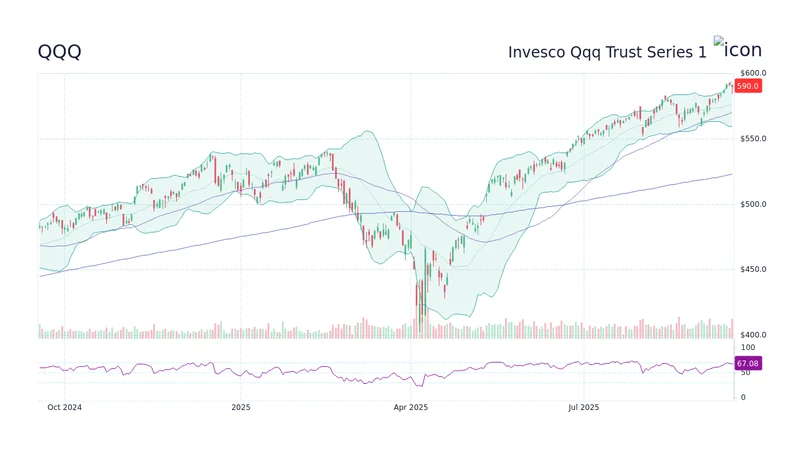
Alright, let's get one thing straight: I'm seeing headlines about the QQQ ETF being a "Moderate Buy"...

Dan Schulman Named New Verizon CEO: What His PayPal Past Means for Verizon's Future
Verizon’s New CEO Isn’t About 5G. It’s About a Quiet Panic. The market’s reaction to the news was, i...

PGE's Landmark Solar Investment: What It Means for Europe's Green Future
Why a Small Polish Solar Project is a Glimpse of Our Real Energy Future You probably scrolled right...

Immaculata's Open House: A Data-Driven Breakdown for Prospective Students
On the surface, the announcement is unremarkable. Immaculata University, a private institution nestl...

John Malkovich Cast as President Snow: An Analysis of the Casting and Its Implications
The announcement landed with the precision of a well-funded marketing campaign. The Hunger Games, a...