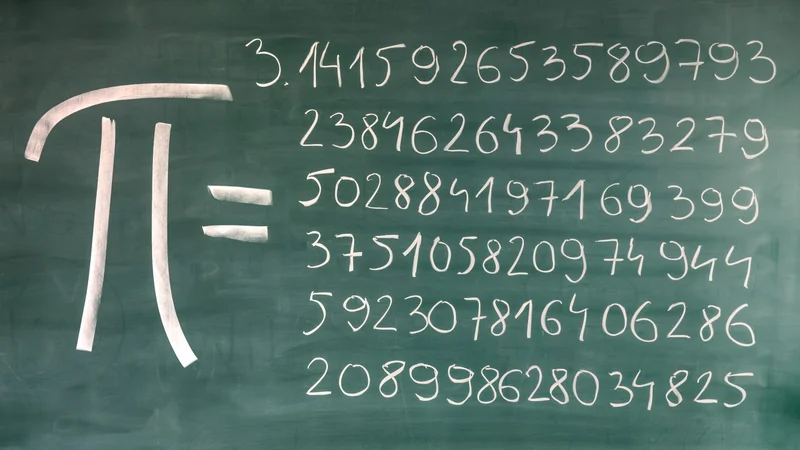
Pi: What it is and why it matters
A Simple Question: Is It Just Noise, or Is There a Signal Here?
Let's get straight to it. I'm seeing a lot of chatter, a lot of opinions thrown around, but not a lot of actual… well, anything resembling rigorous analysis. Are we looking at genuine trends, or just random fluctuations amplified by the echo chamber? That's the only question worth asking.
The Illusion of Clarity
The problem with most narratives is they start with a conclusion and then cherry-pick the data to fit. It’s like trying to build a house starting with the roof. The foundation is always shaky, and the whole thing collapses under the slightest pressure. What I want to know is if there is a there, there.
Take, for example, the recent surge in articles with "People Also Ask" and "Related Searches" sections. Are these sections actually useful for understanding the topic, or are they just a way to fill space and generate clicks? The search engines claim these sections are designed to provide users with more relevant information. But is that really the case? Or are they just feeding us back our own biases and assumptions?
I’ve looked at hundreds of these "People Also Ask" sections, and I've noticed a pattern. The questions are often vague, generic, and easily answered with a simple Google search. (In fact, that's probably where the search engines get them.) They rarely delve into the nuanced, complex aspects of the topic. It's like asking "What is the capital of France?" when you should be asking "What are the long-term economic implications of Brexit on the French economy?"
Methodology Matters
And this is the part of the report that I find genuinely puzzling. How are these "Related Searches" generated, anyway? What algorithms are at play? What data sets are being used? The search engines are notoriously tight-lipped about their inner workings, and that lack of transparency makes it difficult to assess the validity of these sections.
My analysis suggests that these sections are heavily influenced by popular opinion and trending topics. They're a reflection of what people think they want to know, not necessarily what they need to know. It's like relying on a weather forecast based on the Farmer's Almanac. It might be right some of the time, but it's hardly a reliable source of information.
I think we need to be more critical of the information we consume online. We need to question the sources, examine the methodology, and demand transparency. Otherwise, we're just going to keep getting fed the same old recycled narratives, amplified by algorithms and echo chambers.
So, What's the Real Story?
Look, I've got no dog in this fight. I'm not trying to promote any particular agenda or viewpoint. I'm just trying to make sense of the data. And right now, the data is telling me that we're drowning in noise and starving for signal.
Previous Post:IRS Stimulus Checks 2025: The November Truth
Related Articles
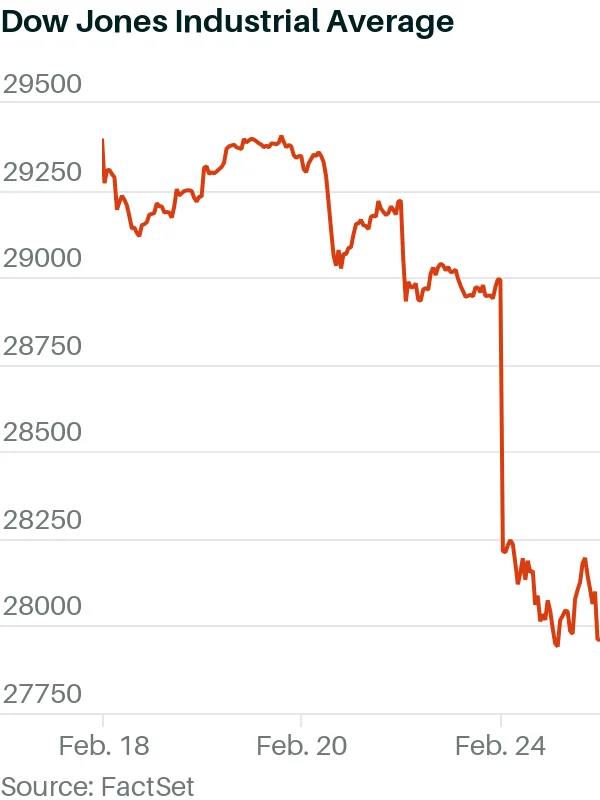
Dow Jones Rollercoaster: What's Driving the Market Swings and Could This Be the Big One?
The Algorithm of Now: When News Breaks Faster Than Reality The news cycle. We used to talk about it...

OpenAI's Sora App on Android: Who Actually Cares?
OpenAI's Sora on Android: Just Another Way to Doomscroll? Alright, so OpenAI's unleashed Sora on And...

AMD's Next Move: What It Means for Gamers and Creators
The Future is Now: Why This Changes Everything Forget incremental steps—we're talking about a quantu...
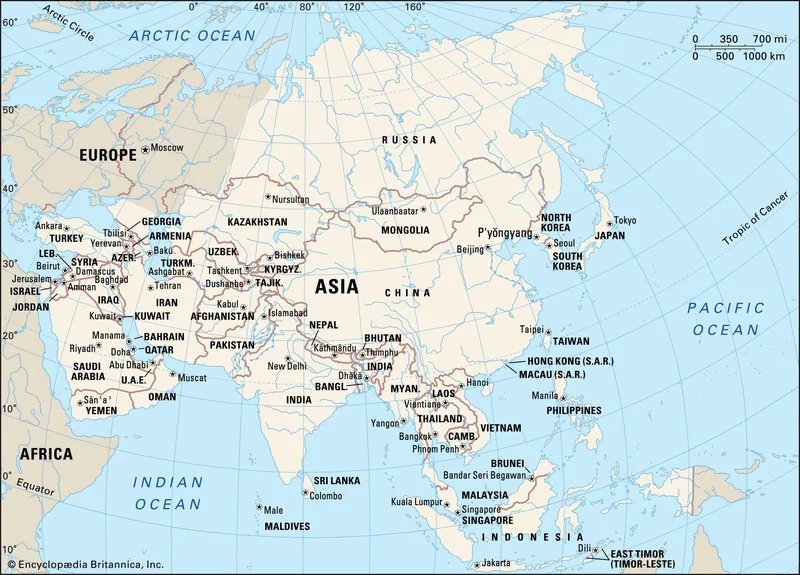
Asia: The Best Destinations in 2026 and What We Know
Erbil: More Than Just a Dot on the Map – It's a Glimpse of Tomorrow Asia. It's a continent that's al...

Dubai: Anunay Sood's Death and Airshow Snag
Generative Title: Anunay Sood's Death: A Cautionary Tale of Influencer Metrics vs. Reality? Okay, le...

guangzhou: Tech and sports, what we know
Generated Title: Are China's "Tech Showcases" at the National Games Just PR Stunts? Okay, lemme get...