SpaceX Launch: Sentinel-1D and What We Know
Ariane 6 Soars: A New Era for Earth Observation and Beyond!
Folks, let me tell you, today's Ariane 6 launch carrying the Sentinel-1D satellite wasn't just another rocket launch; it was a statement. A bold, "we're here, and we're pushing forward" kind of statement from Europe. Forget the launch itself for a second (though, admittedly, the video of that liftoff is pretty spectacular). Think about what Sentinel-1D represents: constant, all-weather, day-and-night monitoring of our planet. It's like giving Earth a permanent check-up, and that, my friends, is revolutionary.
This isn't just about pretty pictures from space; it's about actionable data. Data that helps disaster response teams, environmental agencies, maritime authorities, and climate scientists. Imagine a world where we can predict and mitigate natural disasters with far greater accuracy, protect our oceans more effectively, and understand the impacts of climate change in real-time. That's the promise of Sentinel-1D, working in tandem with Sentinel-1C, constantly feeding us vital information. It uses C-band synthetic aperture radar (SAR)—basically, it bounces radar signals off the Earth's surface to create detailed images, even through clouds.
The Rocket's Redemption: A Sign of Things to Come
Now, let's be honest, the Ariane 6 had a bit of a rocky start. That "checkered" test flight last year? Not exactly confidence-inspiring. But three successful launches in a row, including this one? That's a comeback story worth celebrating. Europe's powerful Ariane 6 rocket launches Sentinel-1D Earth-observation satellite to orbit (video) It's a testament to the dedication and ingenuity of the engineers and scientists at Arianespace and ESA. And it signals something even bigger: Europe is serious about staying in the space race.
The Ariane 6 is the successor to the Ariane 5, which had an incredible 27-year run. It's like replacing a trusty old workhorse with a faster, more efficient model. But here's the thing: it's not just about replacing old technology; it's about building a foundation for future innovation. This launch was Europe's fifth orbital mission this year. Compare that to SpaceX's 140 missions, and you might feel a little discouraged. But I see it differently. SpaceX is building a space-based internet; Europe is building a comprehensive Earth observation system. They're different goals, different approaches, but equally vital for the future. We need both.
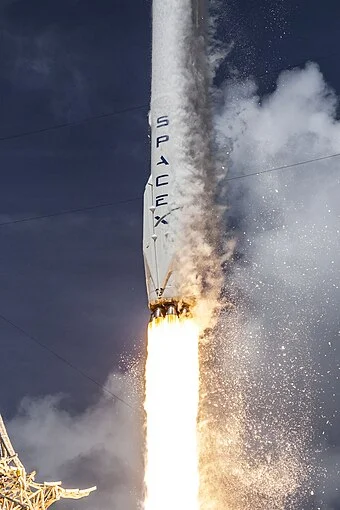
And speaking of SpaceX, let's not forget the bigger picture. We are living in a new space age. Private companies and government agencies are pushing the boundaries of what's possible, driving down costs, and accelerating innovation. It's a space race 2.0, and this time, it's not just about national pride; it's about solving some of the biggest challenges facing humanity.
The Sentinel-1D launch reminds me a little of the invention of the printing press. Before the printing press, information was scarce and controlled by a select few. The printing press democratized knowledge, making it accessible to the masses. Sentinel-1D is doing something similar for Earth observation data. It's making it more accessible, more frequent, and more valuable than ever before. What will we do with this newfound knowledge? How will we use it to build a better future?
One thing I do wonder about, though: with all this data constantly being collected, how do we ensure it's used responsibly? How do we protect privacy and prevent misuse? It's a question we need to be asking ourselves now, before it's too late.
Europe's Bold Footprint in the Cosmos
When I saw the replay of the launch, I felt a surge of optimism. It was more than just a rocket going into space; it was a symbol of human potential, our relentless drive to explore, to understand, and to improve the world around us. And you know what? That's a feeling worth holding onto.
A Glimpse of Tomorrow
Related Articles
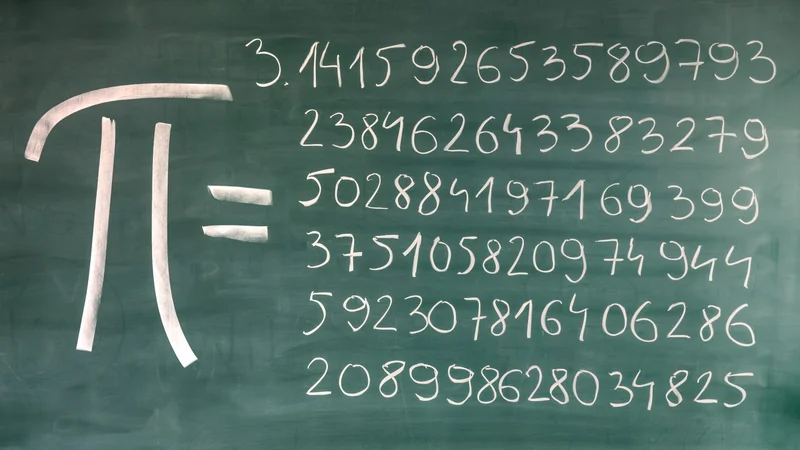
Pi: What it is and why it matters
A Simple Question: Is It Just Noise, or Is There a Signal Here? Let's get straight to it. I'm seeing...

The Aster Name is a Mess: A breakdown of the flower, the crypto, and the weird-ass movies
Forget Crypto, My New Investment is a Six-Inch Weed Called 'Snow Flurry' So, I’m scrolling through m...

USPS Launches Informed Delivery App: A Sign of Government Innovation as FEMA Halts Preparedness Grants
The Last Mile, Digitized: Why the New USPS App is More Than Just Package Tracking There's a strange,...

MANTRA: Why This AI Isn't Just an Upgrade—It's a New Beginning
I spend my days tracking exponential curves. I map the blistering trajectory of processing power, th...
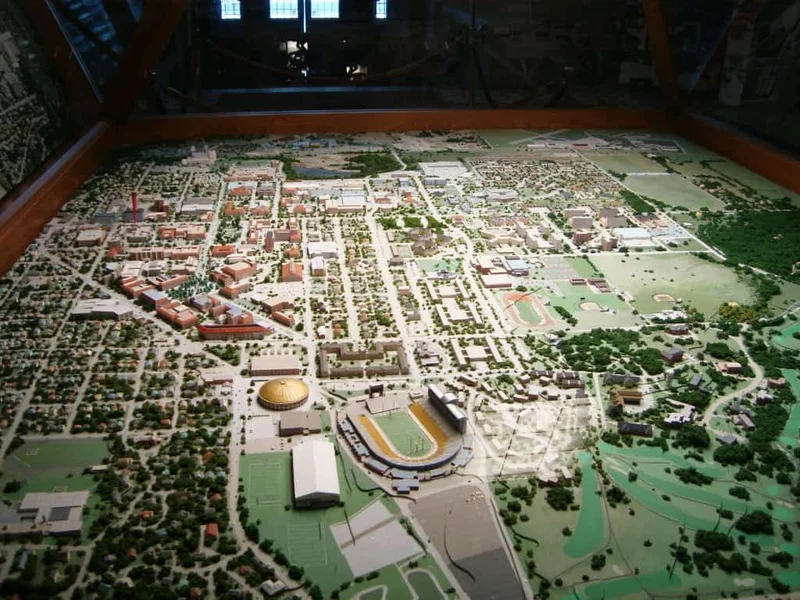
Purdue University Peanut Butter Incident: What Happened and Why?
The Peanut Butter Prophecy: A Glimpse into Predictive Policing? Okay, folks, buckle up. I know what...
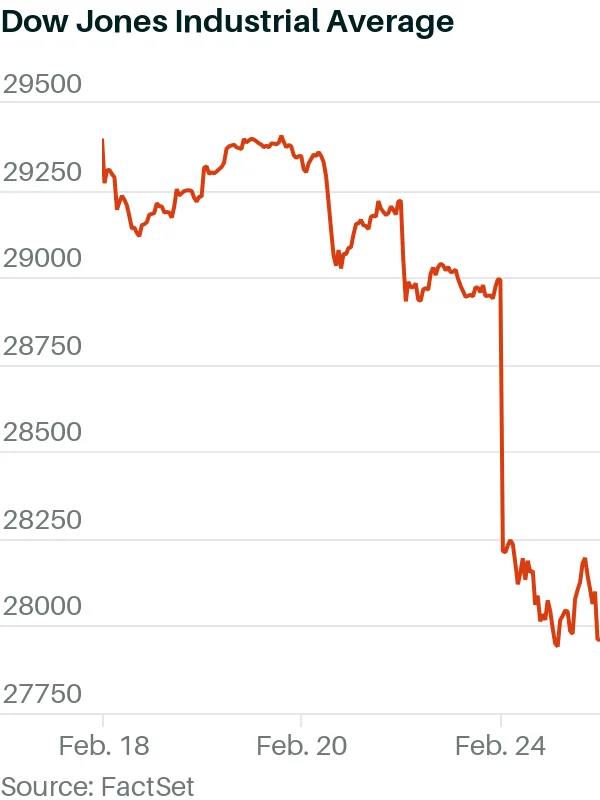
Dow Jones Rollercoaster: What's Driving the Market Swings and Could This Be the Big One?
The Algorithm of Now: When News Breaks Faster Than Reality The news cycle. We used to talk about it...